
Gas Line Safety Truths Most Homeowners Miss
Smelling something odd near a furnace or stove is easy to brush off. Maybe it comes and goes, or it seems stronger after the heat kicks on. Many Wyandotte homeowners assume it is just a normal furnace smell or cooking residue, then move on with their day. The problem is that a small gas issue can go from “barely there” to dangerous much faster than most people think.
Gas line repair safety practices matter even more in older Downriver homes, where tighter neighborhoods, shared walls, and Michigan’s temperature swings put extra stress on piping. In this article, we will walk through the safety details many people overlook, where DIY crosses the line into real risk, what licensed pros do differently, and how we approach gas line repair with clear communication and careful work so you can feel safer at home.
The Hidden Risks Lurking in Aging Gas Lines
A lot of Wyandotte homes have gas piping that has been around a long time. Over the years, owners change appliances, move laundry rooms, add a gas dryer or grill, and sometimes the gas lines get “creative” repairs instead of proper updates.
Older homes are more vulnerable because they often have:
- Original steel gas lines that can corrode over time
- Loose or worn fittings from years of vibration and use
- Improperly supported piping that sags and stresses the joints
- Old capped lines from past appliances that were never fully removed
Michigan winters and hot summers make metal expand and contract. That constant movement can slowly open up tiny gaps in threaded joints or weaken already thin spots in the pipe. You may not see it happening, but your gas system is working hard behind the scenes.
There are warning signs that many people ignore or do not recognize as gas line issues, such as:
- A faint sulfur or “rotten egg” odor that comes and goes
- Hissing sounds near a furnace, stove, or gas meter
- Pilot lights that refuse to stay lit or keep blowing out
- Gas bills creeping higher without a clear reason
Visually, you might notice:
- Rust or flaking on exposed pipes
- Discolored or sooty areas around gas appliances
- Flexible connectors that look kinked, brittle, or very old
It is also important to remember that no smell does not always mean no problem. Some leaks are in spots where gas collects slowly, like basements or crawl spaces, or they may be too small to create a strong odor right away.
The idea that “it has been fine for years” is not a safety plan. Slow leaks or minor damage can go on quietly until something finally gives. Even a small leak can collect around appliances or in low areas and raise the risk of fire or explosion. Having a licensed and insured professional look at your gas lines before there is an emergency is a much safer path.
Where Homeowners Cross the Line on DIY Gas Work
There are a few things homeowners can safely do around gas equipment, and there are many things that should never be DIY.
Generally safe checks include:
- Keeping the area around gas appliances clear and easy to see
- Looking for obvious damage like bent or broken pipes
- Knowing where the gas shutoff valves are and how to turn them off in an emergency
On the other hand, some work should always be handled by a pro, even if it looks “simple” in an online video. That includes:
- Running new gas lines or adding branches for new appliances
- Moving appliances to a new location on a different wall or floor
- Replacing gas valves or shutoffs
- Cutting into or capping lines
- Grabbing fittings from a hardware shelf that “seem right” and hoping they seal
Modern gas piping and codes are more complex than they look from the outside. When you have several appliances on the same line, changes in one place can affect gas flow and safety in another.
Common DIY mistakes we see include:
- Using the wrong type of pipe, fittings, or thread sealant
- Overtightening or undertightening fittings, which can cause cracks or slow leaks
- Burying joints in walls or ceilings where they cannot be inspected
- Skipping proper pressure tests after changes
- Forgetting to verify gas flow to every appliance
There are also legal and insurance sides to this. In Michigan, gas line work typically requires a contractor with a Mechanical Contractors License, and permits are often needed for installs or line changes. Unpermitted or DIY gas work can come back to haunt you during a home sale, an inspection, or if there is any kind of incident. As a licensed and insured contractor, we handle permits for gas line installations and major modifications, so homeowners are not left trying to sort that out on their own.
What Professional Gas Line Repair Looks Like
Safe gas line repair is not guesswork. There is a clear process that focuses on safety, code, and clear communication.
It starts with the first conversation. When you call Neighborly Heating and Cooling, you talk directly with the owner, Ron, not a call center or canned script. We ask targeted questions about what you are smelling, hearing, or seeing, how old the appliances are, and what kind of home you have. The goal is to understand the situation, not to push extras you do not need.
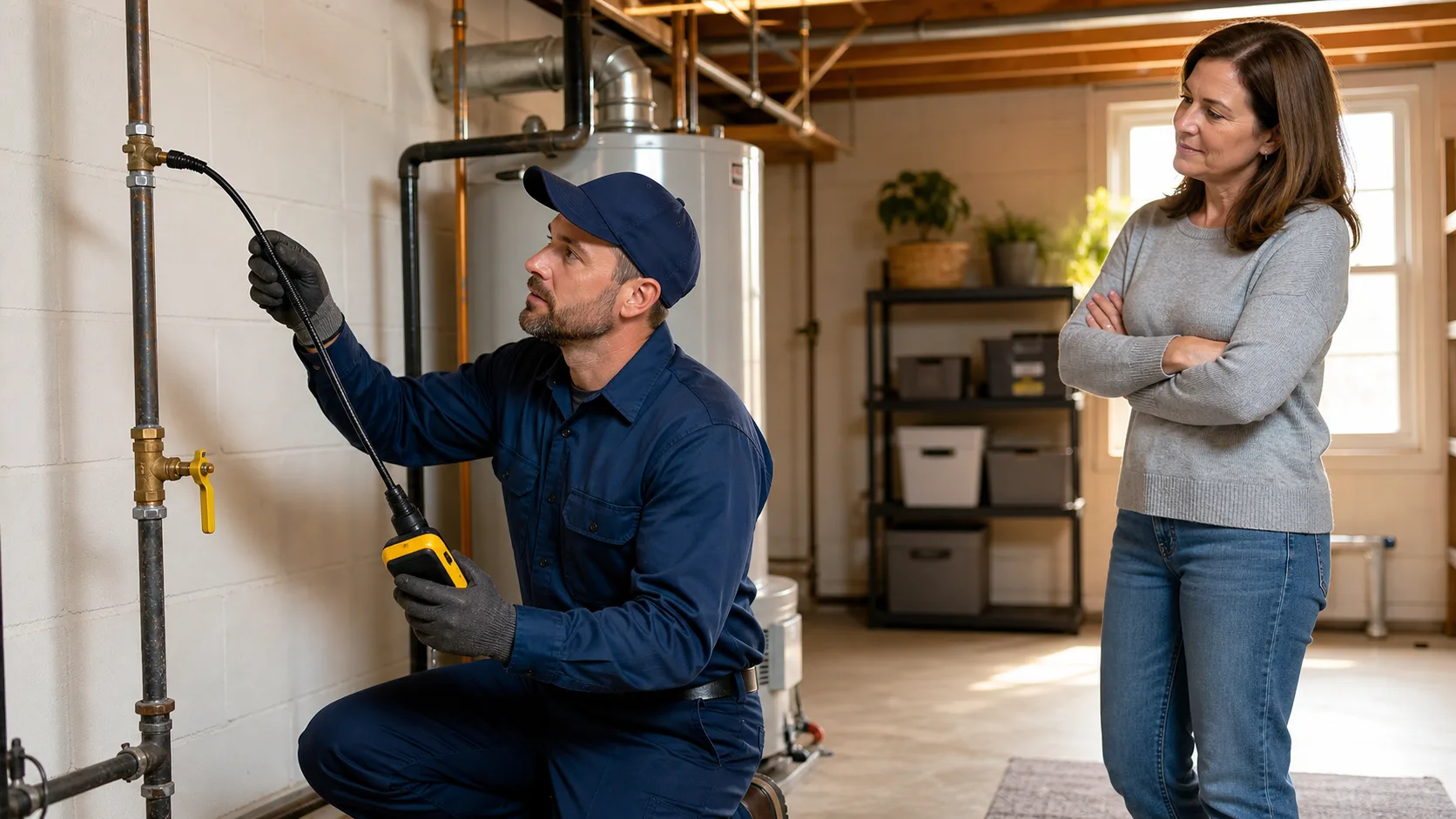
On-site, we carefully look over:
- Existing gas piping, both exposed and accessible
- Appliance connections and flexible connectors
- Shutoff valves and access points
- Nearby areas that may show soot, discoloration, or corrosion
We explain what we are checking and why, in plain language. If testing is needed, we perform pressure or leak tests, and we do not just stop at “no leak found.” We also confirm that gas flow is correct and that appliances are operating the way they should.
Licensing, insurance, and permits are a big part of this. A contractor with a Mechanical Contractors License is trained to follow local codes. Insurance protects both the homeowner and the company. When permits and inspections are required for new lines or bigger changes, we handle that process and document the work, so everything is recorded properly.
Attention to detail matters on every job. That means:
- Correctly sized piping so appliances get the gas they need
- Solid supports so lines do not sag or vibrate
- Clean, organized routing of pipes
- Clearly located shutoffs so you can find them fast
We keep pricing honest and upfront. Because of lower-overhead costs, we are able to keep our prices competitive without cutting corners on safety or workmanship. Free estimates for gas line repair and installation are sent by email through HCP, giving you time to review everything without pressure before you decide. We accept cash, personal checks, Visa, MasterCard, and Discover, so paying for the work is straightforward.
Preparing Your Home for Safe Fall and Winter Heating
As the weather cools, gas use in your home usually goes up. Furnaces, space heaters, and other gas appliances work longer and harder, which can bring hidden issues to the surface. Late summer and early fall are smart times to take gas line questions seriously, before that first long stretch of cold nights.
If you want to do a simple home check, you can:
- Walk through the house and note any gas odors, even faint ones
- Look for visible pipe damage, rust, or loose supports
- Notice any old, capped lines from removed appliances
- Watch your furnace for odd behavior, like frequent cycling or trouble lighting
If anything seems even slightly off, it is better to pause and have a licensed professional look before you keep using the equipment. Things you should treat as “call now” triggers include:
- A persistent or recurring gas odor
- Hissing or whistling sounds near gas lines or appliances
- Visible corrosion or damaged connectors
- Changes in gas piping after renovations or new appliance installs
- Plans to add or move gas appliances like a range, dryer, or grill
We provide free estimates for gas line repairs and installations through email using HCP, and we keep payment options clear from the start so there are no surprises.
Take the Worry Out of Gas Line Repair Decisions
Feeling nervous about gas line repair is normal. Gas is not something you want to guess about, and it is always better to ask questions early than to push concerns aside. At Neighborly Heating and Cooling, we focus on providing service you can trust through a patient, easygoing explanations, no scare tactics, and no pushy sales. You can expect clear communication directly with the owner, and work that is done carefully and safely.
We are a licensed and insured residential HVAC and gas line contractor serving Wyandotte and the Downriver area. We take gas safety and code compliance seriously, pay close attention to installation details, and give thorough, transparent estimates by email before work begins. Our goal is integrity and customer satisfaction, doing the job right the first time so you feel confident about the gas system in your home as the heat comes back on.
Get Started With Your Project Today
If you suspect a gas leak or notice issues with your gas appliances, do not wait to address the problem. At Neighborly Heating and Cooling, we provide prompt, professional gas line repair to help keep your home safe and efficient. Reach out today to discuss what you are experiencing and we will walk you through the next steps. If you are ready to schedule service or have questions, please contact us.